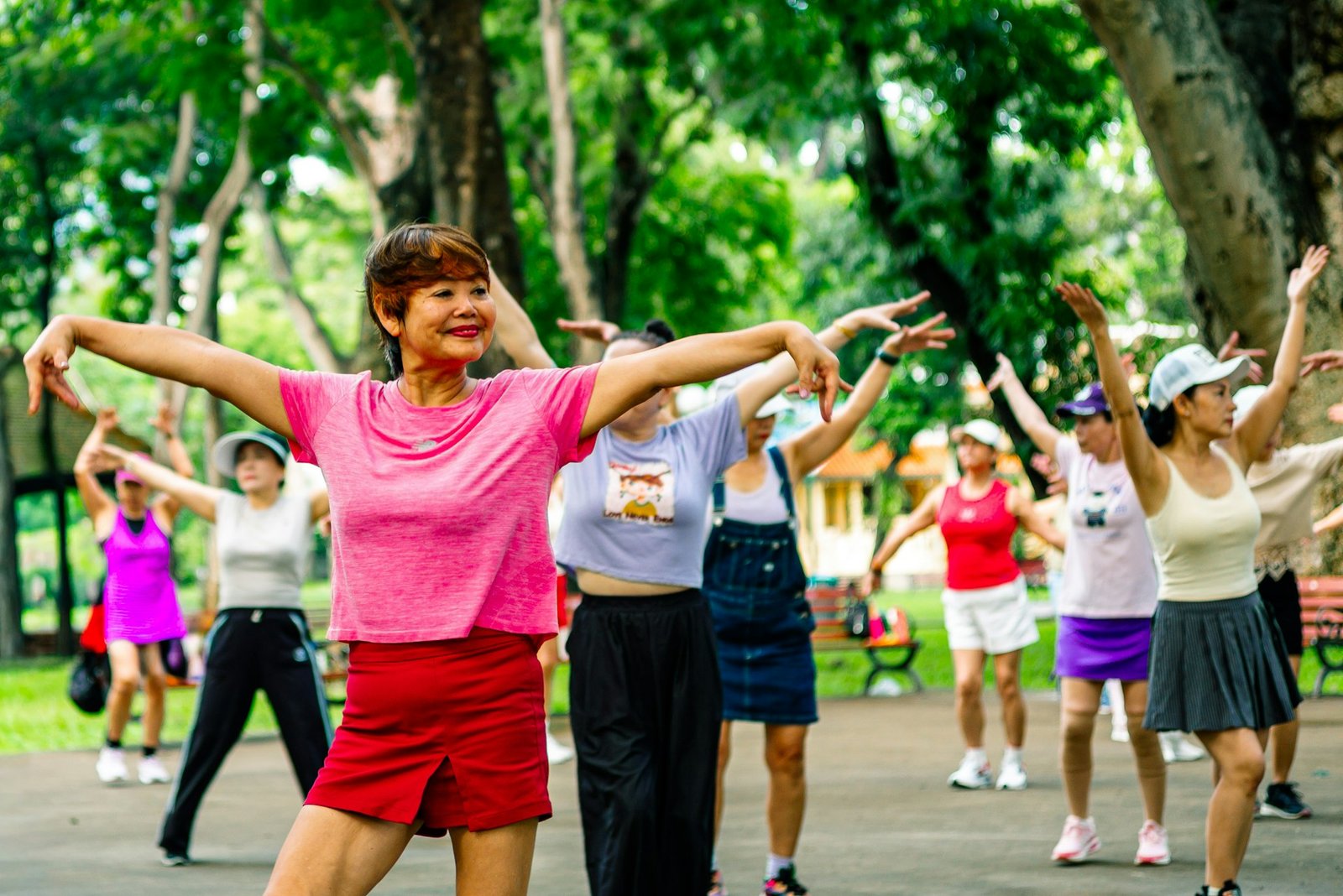
Retirement gives you something rare: time to care for your own health without the constant pull of a career. Staying active is not about punishing workouts or dramatic transformations. It is about building simple, enjoyable habits that keep your body strong and your mind engaged for decades to come.
1. Move a Little Every Day
Consistency matters far more than intensity. A daily walk, a swim, or a gentle cycle does more for long-term health than an occasional burst of hard exercise followed by a week on the couch. The aim is to make movement a normal part of your day rather than a special event you have to psych yourself up for.
Build activity into your routine in small ways. Walk to the shops, take the stairs when you can, and stretch while the kettle boils. These habits are easy to sustain and keep your joints mobile, your heart healthy, and your energy steady throughout the day.

2. Build Strength to Stay Independent
Muscle naturally declines with age, and that loss is one of the biggest threats to independence later in life. Strength training, even with light weights or resistance bands, helps you keep the power to climb stairs, carry groceries, and get up from a chair without help.
You do not need a gym. Bodyweight exercises such as sit-to-stands, wall push-ups, and gentle squats can be done at home two or three times a week. Start light, focus on good form, and increase gradually. If you have any health concerns, check with your doctor before beginning a new routine.
3. Protect Your Balance
Falls are a leading cause of serious injury in later life, and good balance is your best defense. Simple practices like standing on one foot while holding a counter, or trying tai chi, train the small stabilizing muscles that keep you steady on your feet.
Balance work pays off quietly. You may not notice the benefit day to day, but it can be the difference between a stumble you recover from and a fall that changes your life. A few minutes several times a week is enough to make real progress over time.

4. Prioritize Social Connection
Health is not only physical. Loneliness and isolation carry genuine risks, and staying socially connected supports both mood and longevity. Retirement can shrink your social circle quickly once daily workplace contact disappears, so it helps to be intentional about friendship.
Join a club, volunteer, take a class, or schedule regular meals with friends. Pairing activity with company works especially well, since a walking group or a dance class delivers exercise and connection at once. If you are considering a move, our guide to the best places to retire in the U.S. highlights why community life deserves real weight in your decision.
5. Stay on Top of Preventive Care
Preventive care is one of the most valuable habits you can keep. Regular checkups, screenings, vaccinations, and dental and eye exams catch small problems before they grow into serious ones. Managing blood pressure, cholesterol, and blood sugar early protects you from bigger trouble later.
Keep a simple record of your appointments and medications so nothing slips. Understanding what your coverage includes also matters, and our overview of healthcare costs in retirement can help you plan for both routine and unexpected expenses with less stress.
- Aim for regular movement most days, even if it is just walking
- Add strength work two or three times a week to protect independence
- Practice balance exercises to lower the risk of falls
- Schedule regular checkups and recommended screenings
- Stay socially active through clubs, classes, or volunteering
- Prioritize sleep, hydration, and whole foods over quick fixes
6. Eat to Fuel the Years Ahead
Nutrition needs shift with age, but the basics stay reassuringly simple. A diet rich in vegetables, fruit, whole grains, lean protein, and healthy fats supports energy, muscle, and brain health. Protein becomes especially important for maintaining strength as you grow older.
Hydration is easy to overlook, since the sense of thirst can fade with age. Keep water within reach and sip through the day. You do not need a restrictive plan, just steady, sensible meals that leave room for the foods and gatherings you enjoy.
7. Keep Your Mind Engaged
A sharp mind is as worth tending as a strong body. Learning a language, playing an instrument, reading widely, or taking up a new hobby all keep your brain active and give your days purpose. Mental challenge and curiosity are powerful allies against decline.
Purpose itself is protective. Retirees who stay engaged with projects, people, and goals often report better health and greater satisfaction. Choose pursuits that genuinely interest you, because enjoyment is what turns a good intention into a lasting habit.
Staying healthy in retirement is less about intensity and more about consistency. Small daily habits, repeated for years, do more for your body and mind than any short-lived program ever could.
Frequently Asked Questions
How much exercise do I really need?
Many health authorities suggest aiming for regular moderate activity most days of the week, plus strength work a couple of times weekly. Any movement is better than none, so start where you are and build gradually. Check with your doctor before beginning a new program, especially if you have existing conditions.
I have joint pain. What exercise is safe?
Low-impact activities such as swimming, water aerobics, cycling, and walking are gentle on the joints while still building fitness. Strength and flexibility work can actually reduce joint pain over time. A physical therapist can suggest moves tailored to your situation.
How do I stay motivated on my own?
Social support is the most reliable motivator. Exercising with a friend, joining a group class, or committing to a regular schedule makes it far easier to keep going. Choosing activities you genuinely enjoy matters more than picking what seems most efficient.
Pingback: How to Plan for Healthcare Costs in Retirement – Brilliant Retirement
Pingback: Long-Term Care: How to Plan and Pay for It – Brilliant Retirement